

How to Choose Promotional Products People Keep
A practical framework for choosing useful, on-brand promotional products for events, employees, clients, and campaigns.

The most effective giveaway is rarely the most unusual one. It is the item that fits naturally into someone’s day, feels considered, and puts your brand in view again and again.
01
Start with the moment, not the catalog
Before comparing products, define the situation your item needs to serve. A conference handout, a new-hire kit, a client thank-you, and a retail gift all ask for different things.
A clear brief makes the catalog smaller and the decision stronger. It also helps your supplier recommend options that can realistically arrive on time and fit the intended decoration method.
- Who will receive it, and what do they value?
- When and where will they use it?
- What action should the item support: attendance, appreciation, awareness, or repeat use?
- What quantity, budget range, and in-hands date matter most?
02
Choose usefulness before novelty
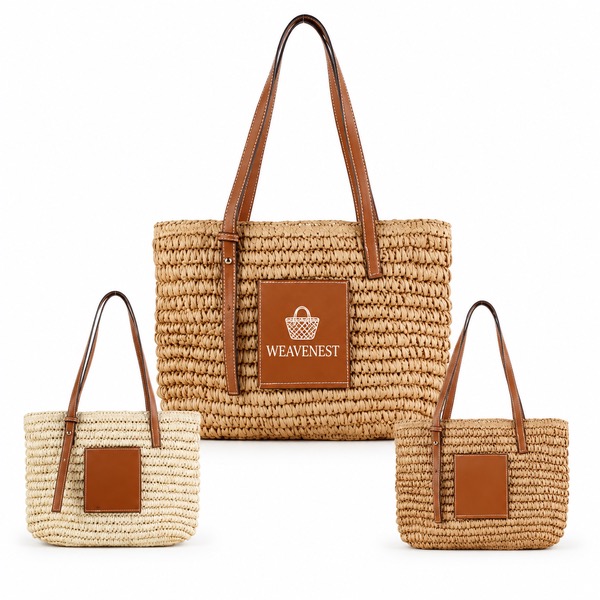
Useful products earn more time in a person’s life. Drinkware, tote bags, notebooks, desk accessories, and travel pieces work well when they suit the audience and the setting.
Novelty can still be valuable, especially for a campaign or event theme. The test is simple: would the recipient choose to keep using it after the event is over? If yes, the brand impression has a longer runway.
03
Match the imprint to the product
Your artwork should feel native to the item, not merely placed on it. Fine details, color count, texture, and available imprint area all affect which decoration method will look best.
Bring a vector logo when possible and ask for an artwork proof before production. A proof is the moment to confirm scale, placement, colors, and any legibility concerns—not an afterthought.
04
Build a shortlist that respects the budget
Compare options at the quantity you actually expect to order. Per-unit prices often change at quantity breaks, while decoration, setup, shipping, and timing can affect the complete quote.
A good shortlist has one dependable option, one elevated option, and one value-minded alternative. That gives stakeholders a real choice without turning the review into a catalog exercise.
Explore the catalog
A few relevant starting points
Common questions
A little more clarity
How many products should I compare?
Three focused options are usually enough: a best-fit recommendation, a more premium alternative, and a value option.
Should I request a sample?
Samples are especially helpful when material, color, or perceived quality matters to the decision. Ask your representative which sample options apply to the item you are considering.
What should I include in a quote request?
Share your approximate quantity, delivery date, delivery location, intended audience, and artwork if it is ready. Those details produce a more useful recommendation and quote.
Keep learning
Related promotional product guides
Trade show guide
Trade Show Giveaways: A Practical Planning Checklist
Read guideOnboarding guide
Employee Onboarding Kits: What to Include in a Branded Welcome Kit
Read guideCorporate gifting guide
Corporate Gifts: A Practical Guide to Choosing Branded Gifts
Read guideDecoration guide
Custom Imprinting Methods: How to Choose the Right Finish
Read guidePricing guide
How Promotional Product Pricing, Setup Fees, and Quantity Breaks Work
Read guideYour next step
Ready to make the choice easier?
We’ll turn your brief into a concise product recommendation and a clear quote.